how many carbs in white cheddar cheese Pass the cheese, please!
Who doesn’t love cheese? It’s one of those amazing foods that can be enjoyed in so many different forms. Whether it’s on a sandwich, melted over pasta, or enjoyed on its own, cheese is a versatile and delicious addition to any meal. But have you ever wondered about the nutritional breakdown of cheese? What exactly are you getting when you indulge in this creamy, savory treat? Let’s take a closer look!
The Many Varieties of Cheese
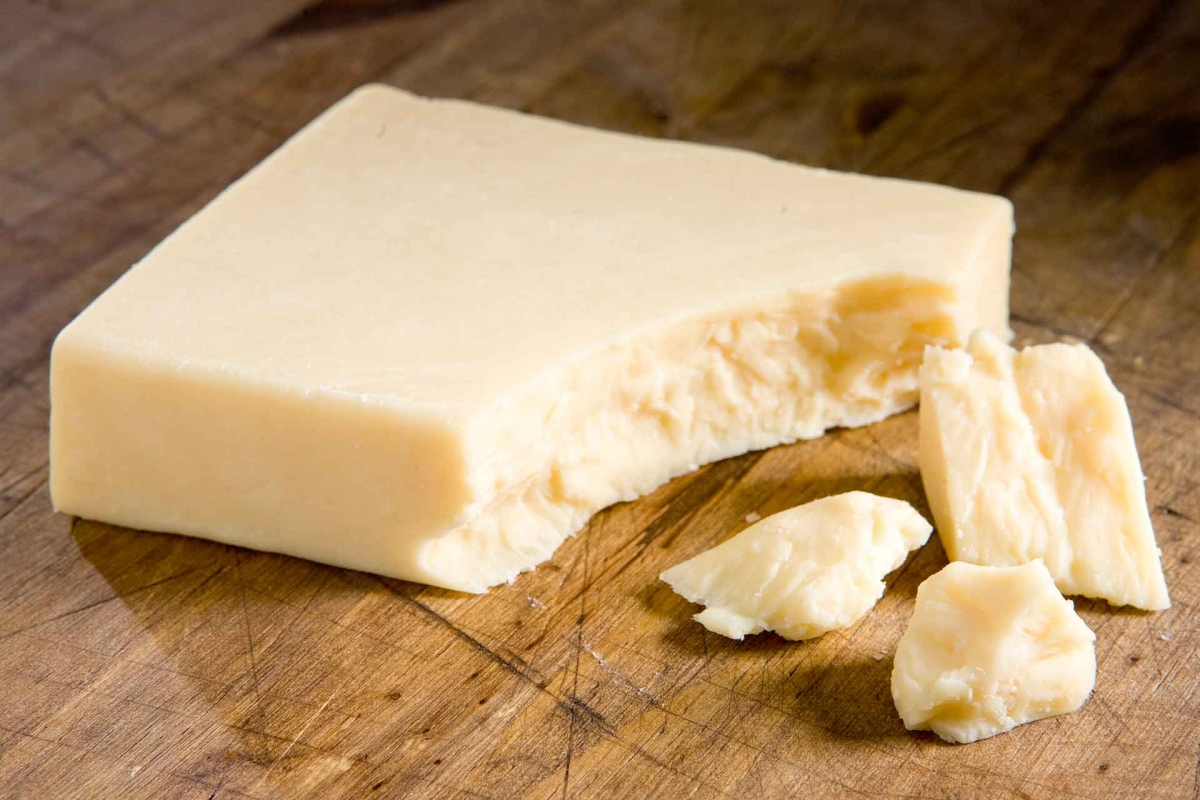 One of the most popular types of cheese is cheddar. It’s a classic favorite that’s known for its rich, sharp flavor. But did you know that cheddar cheese is also a good source of calcium and protein? In fact, just one ounce of cheddar cheese contains about 200 milligrams of calcium, which is about 20% of the recommended daily intake. So go ahead and pass the cheddar, please!
Carbs in Cheese
 When it comes to carbohydrates, cheese is relatively low. The majority of the carbs in cheese come from lactose, the natural sugar found in milk. However, during the cheese-making process, much of the lactose is converted into lactic acid. This means that most types of cheese have very little remaining lactose, making them suitable for those with lactose intolerance.
If you’re following a low-carb or keto diet, you’ll be happy to know that there are many varieties of cheese that are very low in carbs. These include Parmesan cheese, Swiss cheese, and cheddar cheese. So you can enjoy your favorite cheesy dishes without worrying about derailing your diet!
Including Cheese in a Balanced Diet
While cheese can be a healthy addition to your meals, it’s important to consume it in moderation. Cheese is high in saturated fat, which is not the healthiest option for your heart. However, it can still be enjoyed as part of a balanced diet.
One way to incorporate cheese into a healthy eating plan is to choose lower-fat options. For example, mozzarella and feta cheese are both lower in fat and calories compared to cheddar or cream cheese. Additionally, opting for smaller portions can help you enjoy the flavor and benefits of cheese without going overboard.
Lastly, be mindful of how you pair cheese with other foods. Adding vegetables or whole-grain crackers to your cheese plate can provide additional nutrients and fiber. It’s all about finding a balance that works for you.
So next time you indulge in a cheesy delight, remember that cheese can be a part of a healthy eating plan when consumed in moderation. Whether it’s the tangy taste of cheddar or the creamy texture of mozzarella, cheese is sure to add a burst of flavor to your favorite dishes. So go ahead, enjoy that slice of pizza or sprinkle of Parmesan on your pasta. Pass the cheese, please!
If you are searching about Pass the Cheese, Please! - Nugget Markets Daily Dish you’ve visit to the right page. We have 5 Images about Pass the Cheese, Please! - Nugget Markets Daily Dish like All About Cheddar: The Ultimate Guide to Cheddar Types | Murray’s, Pass the Cheese, Please! - Nugget Markets Daily Dish and also The Breakdown of Carbs in Cheese — Visual Guide + Nutritional Breakdown!. Read more:
Pass The Cheese, Please! - Nugget Markets Daily Dish
www.nuggetmarket.comcheese cheddar pass please pepperoni pizza ontario dish daily special why so nugget markets year nuggetmarket
The Breakdown Of Carbs In Cheese — Visual Guide + Nutritional Breakdown!
www.thelittlepine.comcheese carbs carb low fat healthy cheeses protein filed resources under nutrients lowest types breakdown
How Many Calories In White Cheddar Cheese - CheeseProClub.com
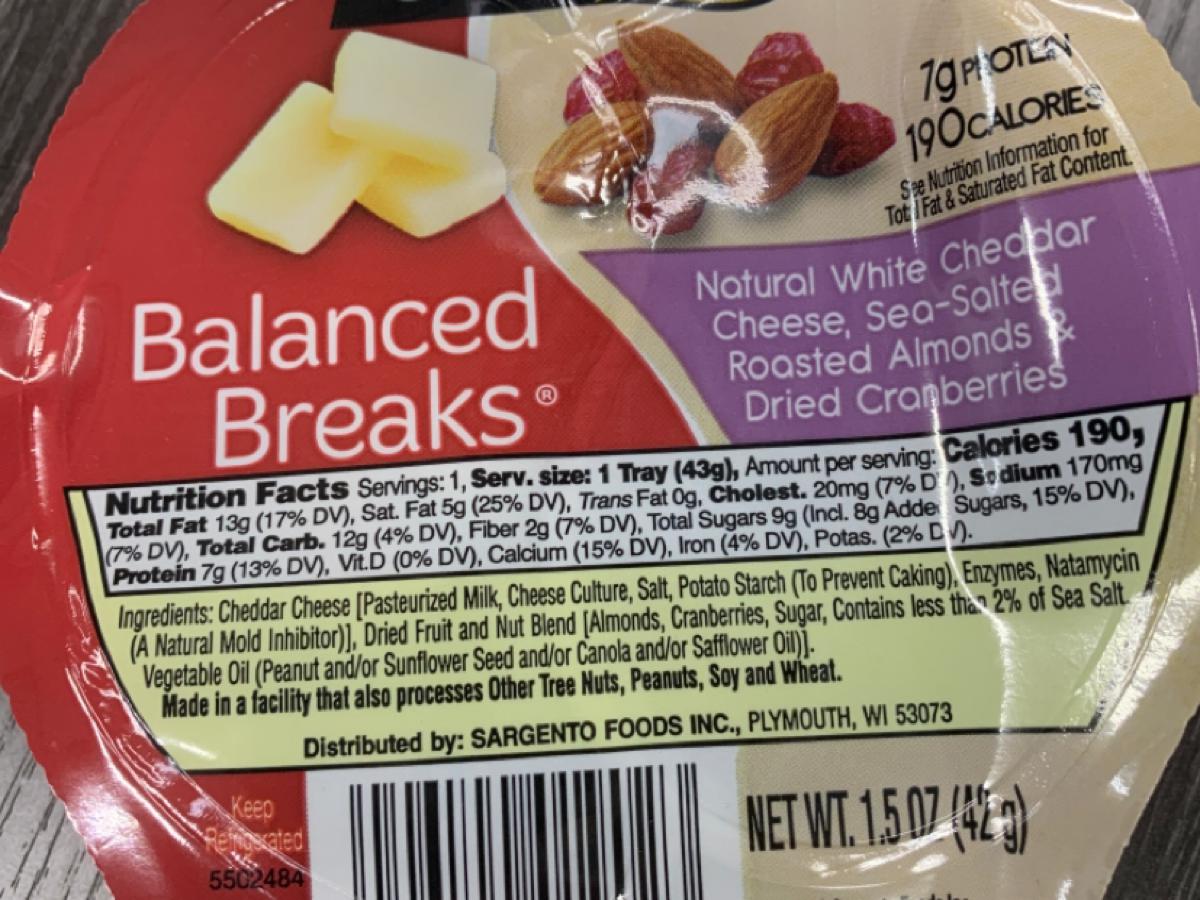 www.cheeseproclub.comAll About Cheddar: The Ultimate Guide To Cheddar Types | Murray’s
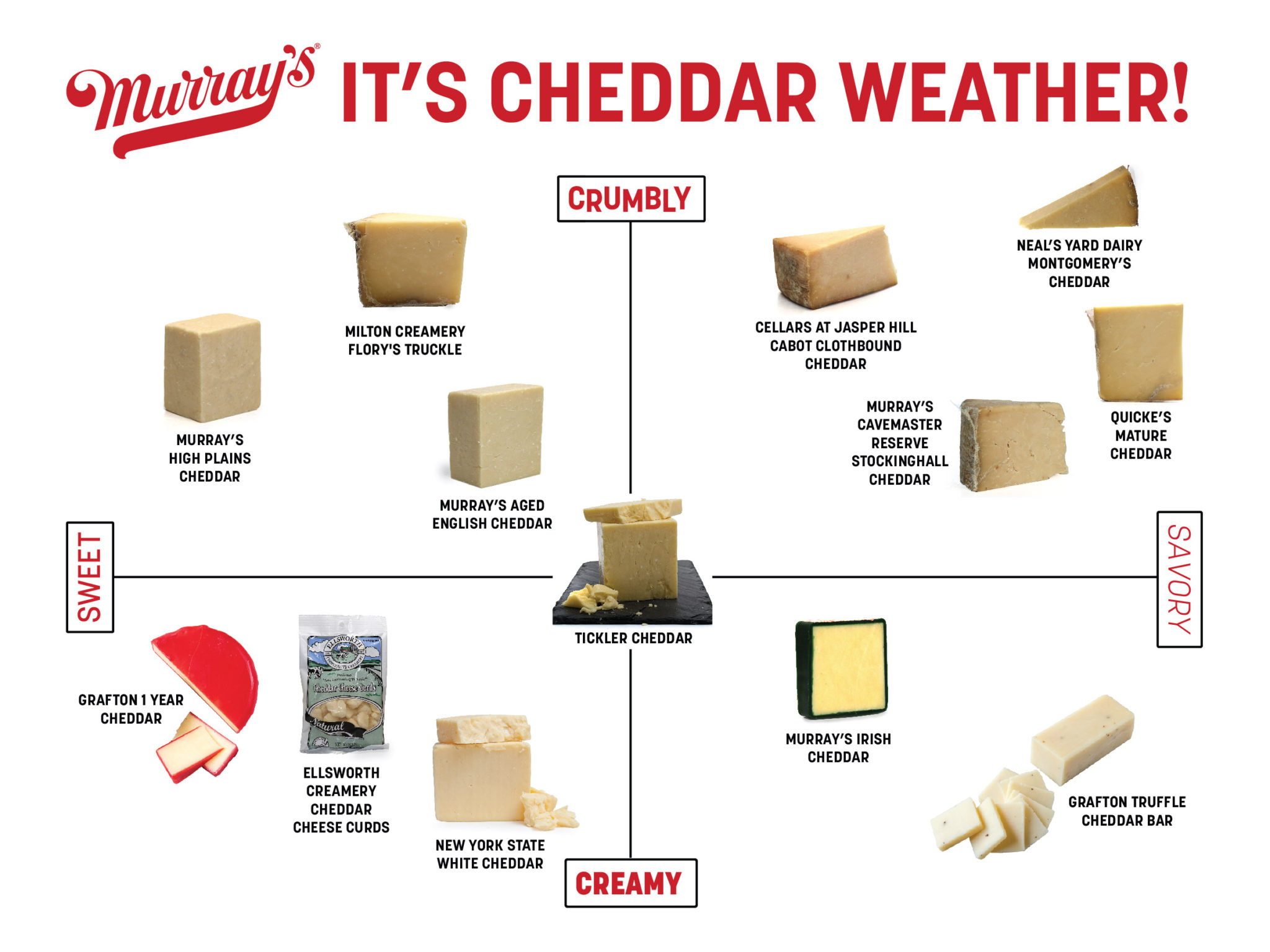 blog.murrayscheese.comHow Many Carbs In 1 Oz Of Cheddar Cheese - CheeseProClub.com
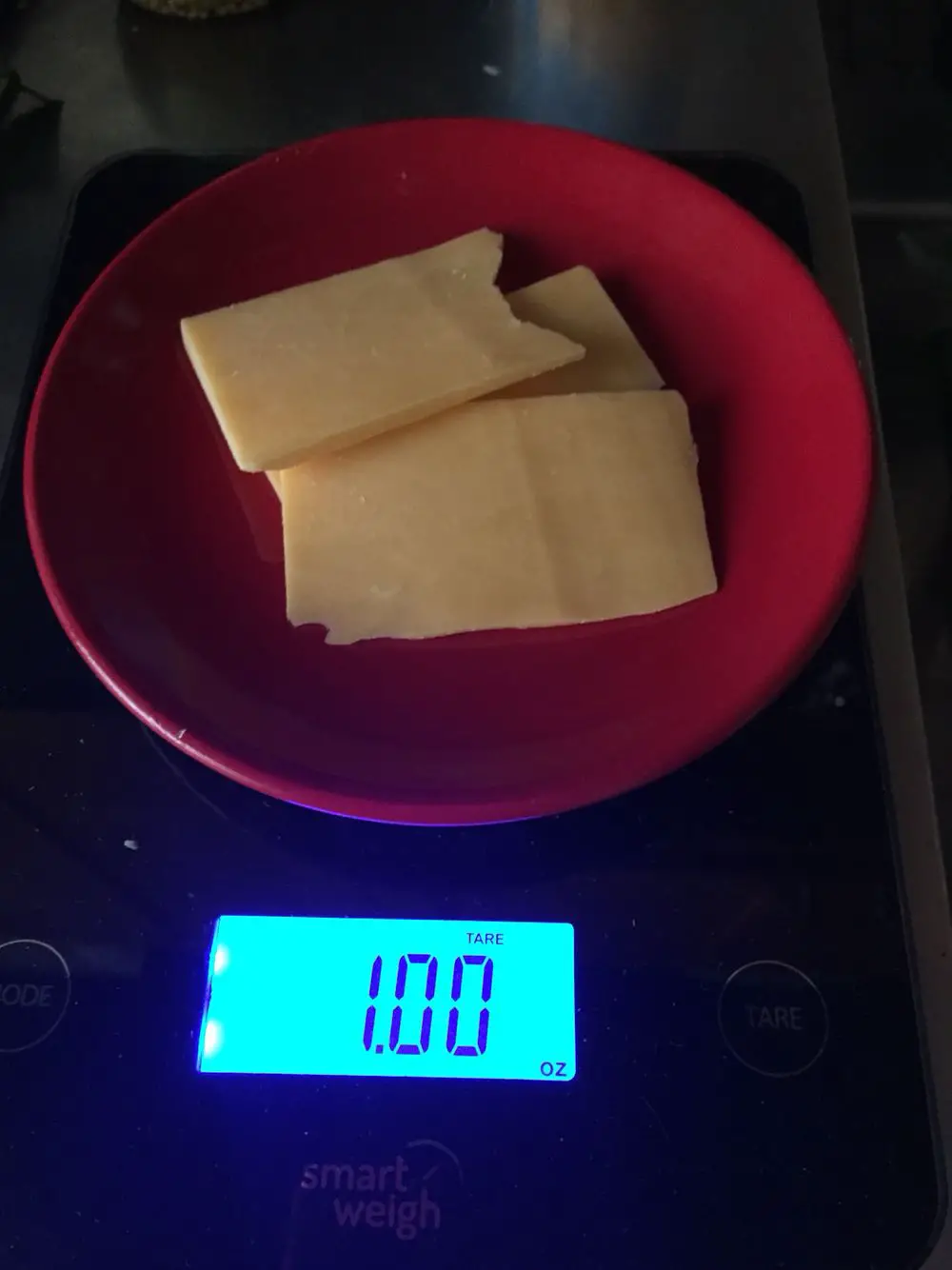 www.cheeseproclub.comThe breakdown of carbs in cheese — visual guide + nutritional breakdown!. Pass the cheese, please!. How many carbs in 1 oz of cheddar cheese